


-

Add: HeBei ShengShi HongBang Cellulose Technology CO.,LTD.
-

Email
13180486930@163.com -

CONTACT US
+86 13180486930






Xylem Fiber , a natural and renewable material sourced from wood, has emerged as a game-changer in modern industries. Derived from the fibrous tissue of trees, this eco-friendly resource undergoes advanced chemical treatments and mechanical processing to enhance its structural and functional properties. As global demand for sustainable solutions grows, Xylem Fiber is redefining the construction, manufacturing, and environmental sectors with its versatility and eco-conscious design. This article explores the features, advantages, technical specifications, and real-world applications of Xylem Fiber , while highlighting the role of HeBei ShengShi HongBang Cellulose Technology CO.,LTD in advancing this innovative material. What is Xylem Fiber? Xylem Fiber is a biodegradable, organic material extracted from the vascular tissue of trees. This natural resource is processed through a combination of chemical treatments and mechanical refinement to achieve optimal strength, durability, and workability. Unlike synthetic alternatives, Xylem Fiber retains its renewable and sustainable properties, making it an ideal choice for industries seeking eco-friendly solutions. The material’s unique composition allows it to integrate seamlessly into various applications, from construction to manufacturing, while reducing reliance on non-renewable resources. For more details about Xylem Fiber , visit the official product page . Key Features of Xylem Fiber Xylem Fiber boasts a range of features that make it a preferred choice in modern industries: Eco-Friendly Composition: Sourced from renewable wood resources, Xylem Fiber is biodegradable and reduces environmental impact compared to synthetic alternatives. Enhanced Strength and Durability: The fiber’s structural integrity is optimized through advanced processing techniques, making it suitable for high-stress applications. Adaptability: Xylem Fiber can be tailored to meet specific industry requirements, from construction materials to industrial products. Cost-Effective: By reducing the need for traditional raw materials, Xylem Fiber lowers production costs while maintaining quality. Advantages of Xylem Fiber The advantages of Xylem Fiber extend beyond its environmental benefits, offering practical value across multiple sectors: Sustainability: Xylem Fiber supports responsible forestry practices and contributes to carbon sequestration, aligning with global sustainability goals. Improved Material Performance: When integrated into concrete, mortar, or asphalt, Xylem Fiber enhances structural resilience and longevity. Biodegradability: Unlike synthetic fibers, Xylem Fiber decomposes naturally, reducing landfill waste and environmental pollution. Versatility: The material’s adaptability allows it to be used in diverse applications, from building materials to household products like wood pulp sponges. Learn more about HeBei ShengShi HongBang Cellulose Technology CO.,LTD and their commitment to innovation at the company page . Technical Specifications of Xylem Fiber Parameter Specification Material Source Natural wood fibers Processing Method Chemical treatments and mechanical refinement Applications Concrete, mortar, asphalt, gypsum, MDF, wood pulp sponges Environmental Impact Biodegradable, reduces carbon footprint Strength Enhanced structural integrity Applications of Xylem Fiber Xylem Fiber is a versatile material with applications spanning multiple industries: 1. Construction Industry In the construction sector, Xylem Fiber is used to enhance the properties of concrete and mortar mixes. Its incorporation improves compressive strength, reduces cracking, and increases durability. Additionally, Xylem Fiber is utilized in gypsum products to improve structural integrity and workability. 2. Asphalt Industry Xylem Fiber acts as a reinforcing agent in asphalt production, enhancing the resilience and longevity of road surfaces. This application reduces maintenance costs and extends the lifespan of infrastructure. 3. Medium Density Fiberboard (MDF) Xylem Fiber is a key ingredient in the production of MDF , a sustainable building material used in furniture and interior design. Its use ensures sturdiness while maintaining eco-friendly credentials. 4. Household Products The absorbent properties of Xylem Fiber make it ideal for manufacturing wood pulp sponges , offering a biodegradable alternative to synthetic cleaning products. Company Background: HeBei ShengShi HongBang Cellulose Technology CO.,LTD HeBei ShengShi HongBang Cellulose Technology CO.,LTD is a leading manufacturer specializing in cellulose wood fibers and related products. With a focus on sustainability and innovation, the company has established itself as a trusted provider of Xylem Fiber and other eco-friendly materials. Their state-of-the-art processing techniques ensure the production of high-quality fibers that meet international standards. For more information about the company, visit the HeBei ShengShi HongBang Cellulose Technology CO.,LTD website. Environmental and Economic Impact The adoption of Xylem Fiber contributes to both environmental and economic sustainability. By reducing reliance on non-renewable resources, the material helps lower the carbon footprint of industries. Additionally, its cost-effectiveness and adaptability make it an attractive option for manufacturers seeking to balance profitability with ecological responsibility. According to a study by the National Institute of Standards and Technology (NIST) , sustainable materials like Xylem Fiber play a critical role in advancing green technologies. NIST’s research emphasizes the importance of integrating renewable resources into manufacturing processes to achieve long-term environmental goals. While specific NIST standards for Xylem Fiber are still under development, the material’s alignment with sustainability principles positions it as a promising solution for the future. References: National Institute of Standards and Technology (NIST) Conclusion Xylem Fiber represents a significant advancement in sustainable material science, offering a renewable alternative to traditional industrial resources. Its unique properties, combined with the expertise of HeBei ShengShi HongBang Cellulose Technology CO.,LTD , make it a valuable asset for industries striving to meet environmental and performance standards. As the demand for eco-friendly solutions continues to grow, Xylem Fiber is poised to play a pivotal role in shaping the future of construction, manufacturing, and beyond. Explore the Xylem Fiber product page to learn more about its applications and benefits.
- 40000tons

Production
- 20+years

Experience
- 5000+㎡

Acreage

-
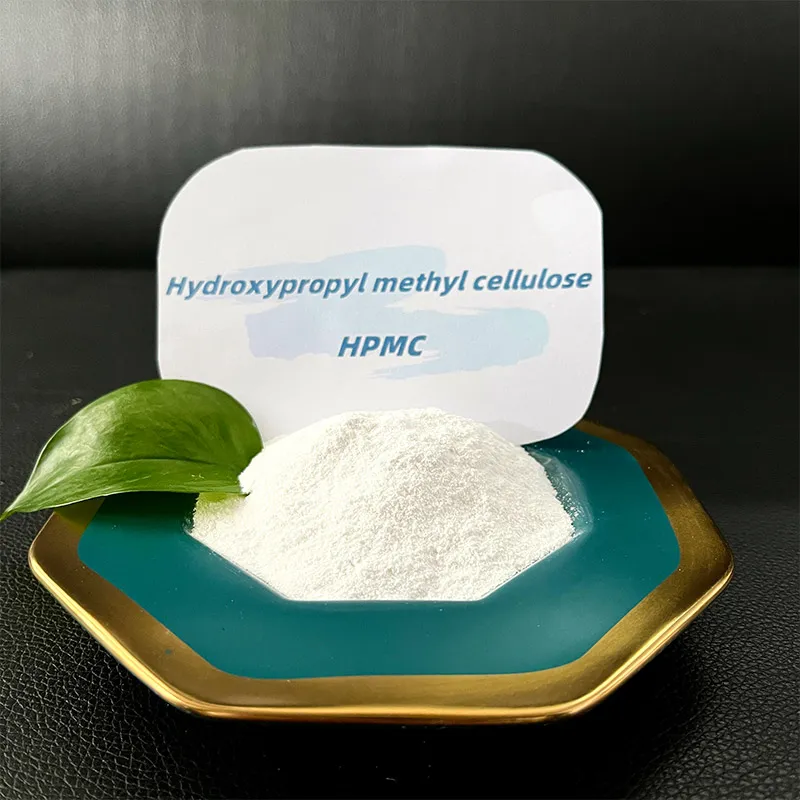
Provided by: HeBei ShengShi HongBang Cellulose Technology CO.,LTD. Address: HeBei ShengShi HongBang Cellulose Technology CO.,LTD, Room 1904, Building B, Wanda Office Building, JiaoYu Road, Xinji City, Hebei Province Phone: +86 13180486930 | Email: 13180486930@163.com | Mobile: +86 13180486930 Website: www.sshbhpmc.com Introduction to Hydroxypropyl Methyl Cellulose HPMC Hydroxypropyl Methyl Cellulose HPMC is a high-performance, non-ionic cellulose ether widely recognized for its versatility across multiple industries. Derived from natural cellulose via a strenuous chemical modification and purification process, HPMC possesses unique physical and chemical properties that grant it exceptional value in formulations demanding thickening, binding, water retention, film formation, and surface activity. Product Name: Hydroxypropyl Methyl Cellulose HPMC Nature: Non-ionic cellulose ether Origin: Produced by HeBei ShengShi HongBang Cellulose Technology CO.,LTD. Official Product Page: https://www.sshbhpmc.com/hydroxypropyl-methyl-cellulose-hpmc.html General Description: Hydroxypropyl methylcellulose (HPMC), a non-ionic cellulose ether, is derived from natural cellulose through a rigorous series of chemical processes. VIEW FULL PRODUCT SPECIFICATIONS Industry Trends and Market Dynamics for Hydroxypropyl Methyl Cellulose HPMC (2024 Update) The global Hydroxypropyl Methyl Cellulose HPMC market has experienced substantial growth, propelled by rising demand in construction, pharmaceutical, food, personal care, and ceramics industries. Rapid urbanization, environmentally conscious formulations, and advancements in dry-mix mortar technologies have driven adoption globally. Construction Segment: Major driver due to water retention, workability, and open time benefits in cementitious products ( Construction and Building Materials Journal ). Pharma/Food Grade Demand Rising: Clean-label trends boost HPMC as a vegetarian capsule shell, tablet binder, or food emulsifier ( See Pharmacology Review ). Enhanced R&D Focus: Research into surface-modified and multi-functional HPMC grades to support eco-friendly construction and greater dosage efficiency. Asia-Pacific remains the dominant region, attributed to vigorous infrastructure projects, while Europe sees strong uptake in green building materials and pharma applications. According to Grand View Research , the market is expected to maintain a >5% CAGR through 2029. Hydroxypropyl Methyl Cellulose HPMC Technical Parameters (Industry Standard) Parameter Standard Value / Range Unit Test Method Hydroxypropoxy content 4-12 % ASTM D2363 Methoxy content 19-30 % ASTM E222 Molecular Weight (MW) 20,000–1,200,000 Da NMR Viscosity (2% in water, 20°C) 5–100,000 mPa·s Brookfield pH of 1% solution 5.0–8.0 - ISO 6353 Moisture Content ≤5.0 % Oven Method Appearance White to Off-white powder - Visual Gel Temperature 58–90 °C GB/T 9776 Data Visualization: Hydroxypropyl Methyl Cellulose HPMC Specifications & Megatrends Below are interactive charts visualizing HPMC specification trends, parameter distributions, and application market shares (2021-2024): Main Application Scenarios for Hydroxypropyl Methyl Cellulose HPMC Tile Adhesives, Renders, Self-Leveling Compounds: Outstanding water retention, improved workability, and open time. Enhances bond strength and spreadability ( Journal of Thermal Analysis ). Dry-mortar, Grouts, and Plasters: Prevents rapid drying and cracking. Enables smooth application even in hot, dry climates. Pharmaceuticals: Used as tablet binder, film-coating agent, and capsule shell (vegetarian alternative to gelatin) – meets stringent pharmacopoeia standards. Food Industry: Emulsifier, stabilizer, and fat replacer. Supports vegetarian, allergy-friendly, and clean-label product development. Ceramics & Detergents: Functions as a binder and thickener, improving shape retention and powder dispersion. Personal Care & Cosmetics: Used in creams, lotions, shampoos for texture and stability ( Cosmetics Journal ). EEAT: Professionalism, Authoritativeness & Trust in HPMC Expertise: HeBei ShengShi HongBang Cellulose Technology CO.,LTD. boasts over 15 years of industry know-how. Our technical staff regularly collaborates with construction research bodies ( ResearchGate ). Authority: Our products comply with GB/T 9776, ASTM D2363, USP/NF and European Pharmacopeia standards, establishing trust and broad international acceptance. Trustworthiness: Hundreds of construction material and pharmaceutical partners worldwide select " Hydroxypropyl Methyl Cellulose HPMC " for its verifiable consistency and safe, traceable supply-chain. References: Please visit industry leading forums such as ScienceDirect HPMC Topic , Cellulose Ether Forum , and ResearchGate for further insights. FAQ: Professional Technical FAQ for Hydroxypropyl Methyl Cellulose HPMC Q1: What is the main material origin and structure of Hydroxypropyl Methyl Cellulose HPMC ? A: It is synthesized by the etherification of pure, natural cellulose (commonly from wood pulp or cotton linters) to introduce hydrophilic hydroxypropyl and methyl groups. This changes the solubility, thermal gelation, and viscosity properties, forming a linear, high molecular weight polymer with adjusted functional groups ( ACS Publication ). Q2: What viscosity grades can be supplied, and how are they selected for end-use? A: We offer Hydroxypropyl Methyl Cellulose HPMC in viscosity grades ranging from 3,000 to 100,000 mPa·s or more (at 2% aqueous, 20°C). Construction mortars typically use 20,000–40,000 mPa·s, while pharmaceuticals prefer low-medium viscosity. Grade selection is based on required water retention, film thickness, or binding power in formulation. Q3: What are the typical particle sizes and bulk densities of HPMC powders? A: Standard mesh size ranges from 80 to 100 mesh, with bulk density of 0.30-0.55 g/cm³. Customization is available for specialized dispersibility or mixing requirements ( Cellulose Ether Forum ). Q4: Is Hydroxypropyl Methyl Cellulose HPMC compliant with international regulatory and safety standards? A: Yes, HPMC meets GB, ASTM, USP/NF, BP/EP, E464, and JECFA safety criteria for use in foods, pharmaceuticals, and industrial applications. It is non-ionic, non-toxic, and hypoallergenic ( FAO JECFA ). Q5: What is the recommended installation and mixing standard for construction use? A: For dry-mix mortar, use 0.2-0.5% by weight, ensuring even dispersion prior to water addition. Follow EN 998-1 or ASTM C270 for mortar mixing; always pre-wet mixing equipment and blend gradually into dry components to avoid lump formation. Q6: How does film formation and thermal gelation enhance material performance? A: Thermal gelation between 58–90°C imparts superior sag resistance and stability to cementitious layers. Film-forming properties ensure encapsulation of aggregates, improved finish, and dust control for food/pharma-grade applications ( PubMed ). Q7: Are there options for “rapid-dissolving” or “surface-modified” Hydroxypropyl Methyl Cellulose HPMC ? A: Yes, we offer fast-dispersing, self-wetting, and surface-treated HPMC grades to optimize mixing efficiency, especially for industrial-scale mortar, detergent, or pharmaceutical production. These grades exhibit quick hydration and low lumping ( Cellulose Ether Forum ). Why Choose HeBei ShengShi HongBang Cellulose Technology CO.,LTD. as Your Hydroxypropyl Methyl Cellulose HPMC Supplier? Proven Expertise: Our advanced production lines, international R&D team, and vigorous QC protocols guarantee consistent batch quality. Broad Customization: Tailored viscosity, particle size, and surface-modified grades available for all industrial and pharma/food specifications. Global Delivery: Timely supply and logistic support worldwide, with technical support for every application field. Full Compliance: Adherence to REACH, RoHS, and other global environmental, health, and safety protocols. Contact Our Specialists for More on Hydroxypropyl Methyl Cellulose HPMC : Website: https://www.sshbhpmc.com | Tel: +86 13180486930 | Email: 13180486930@163.com Address: HeBei ShengShi HongBang Cellulose Technology CO.,LTDRoom 1904, Building B, Wanda Office Building, JiaoYu Road, Xinji City, Hebei Province References & Further Reading Construction and Building Materials Journal: https://www.sciencedirect.com/science/article/pii/S0950061821013257 Pharmacology Review: https://www.ncbi.nlm.nih.gov/pmc/articles/PMC5629934/ Grand View Research – HPMC Market Report: https://www.grandviewresearch.com/industry-analysis/hydroxypropyl-methylcellulose-hpmc-market ACS Publications – HPMC Structure: https://pubs.acs.org/doi/10.1021/ma101259b Cellulose Ether Industry Forum: https://www.celluloseether.org/forums/ ScienceDirect – HPMC Topic: https://www.sciencedirect.com/topics/chemistry/hydroxypropyl-methylcellulose ResearchGate – HPMC Thread: https://www.researchgate.net/topic/Hydroxypropyl-Methylcellulose FAO JECFA: https://www.fao.org/jecfa/jecfa-home/en/ PubMed: https://pubmed.ncbi.nlm.nih.gov/34069747/
-

When it comes to enhancing the durability and strength of concrete, polypropylene fiber is an indispensable material. Known for its lightweight, corrosion-resistant properties, polypropylene fiber is widely used in construction to reinforce concrete, making it stronger, more durable, and more flexible. The addition of polypropylene fiber improves the overall performance of concrete by reducing cracking, improving freeze-thaw resistance, and providing better impact resistance. Whether you're working on large-scale infrastructure projects or residential buildings, incorporating polypropylene fiber into your concrete mix ensures high-quality, long-lasting results. Polypropylene Fiber in Concrete: Revolutionizing the Industry Polypropylene fiber in concrete is becoming a standard practice for improving the structural integrity of concrete mixes. When added to concrete, polypropylene fiber in concrete helps reduce the risk of microcracking, which can occur due to shrinkage or thermal stresses. The fibers disperse evenly throughout the mix, creating a more uniform and cohesive material. As a result, polypropylene fiber in concrete enhances the concrete’s durability and toughness, especially in high-stress environments like industrial flooring, highways, and bridges. With the increasing demand for sustainable construction, polypropylene fiber in concrete offers an affordable, eco-friendly solution for improving material performance. Find Quality Polypropylene Fiber for Sale Are you looking for polypropylene fiber for sale ? Look no further! We offer high-quality polypropylene fiber that meets the needs of various industries, especially in construction. Whether you’re looking to reinforce concrete, improve asphalt, or enhance other building materials, we have the right polypropylene fiber for sale for your project. Available in various grades and specifications, our polypropylene fiber products are designed to offer excellent performance, ease of use, and long-lasting results. Browse our selection of polypropylene fiber for sale and find the perfect match for your needs today! Understanding the Factors Behind Polypropylene Fiber Price The polypropylene fiber price can vary based on several factors, including the quality of the fiber, the quantity purchased, and the supplier. Typically, polypropylene fiber price is determined by the raw materials used, the manufacturing process, and the specific properties of the fiber. While polypropylene fiber price may differ between suppliers, investing in high-quality fibers ensures long-term benefits in terms of strength and durability. If you’re looking for the best value for your project, we offer competitive polypropylene fiber price s without compromising on quality. Contact us to discuss your requirements and get the most cost-effective solution for your concrete reinforcement needs. Why Choose Our Polypropylene Fiber for Your Construction Needs? Our polypropylene fiber products are carefully manufactured to meet the highest standards of quality and performance. Whether you need polypropylene fiber for sale in bulk for a large construction project or in smaller quantities for a specialized application, we can cater to your specific needs. With outstanding benefits like increased crack resistance, reduced shrinkage, and enhanced concrete durability, our polypropylene fiber is the perfect choice for improving the structural integrity of concrete. We offer highly competitive polypropylene fiber price s, ensuring that you get the best value for your investment. Trust us to provide top-quality polypropylene fiber for all your construction needs. Polypropylene Fiber FAQs What is polypropylene fiber used for in concrete? Polypropylene fiber in concrete is primarily used to enhance the strength and durability of the material. It helps prevent cracking by controlling shrinkage, improving impact resistance, and increasing freeze-thaw durability. By distributing evenly throughout the concrete mix, polypropylene fiber provides reinforcement that makes the concrete more resistant to stress and wear, resulting in longer-lasting structures. Where can I buy polypropylene fiber for sale? We offer a wide selection of polypropylene fiber for sale that meets the highest standards of quality, ensuring you get the best product for your concrete reinforcement needs. Browse our collection today and take advantage of our competitive prices. How does polypropylene fiber improve concrete? Polypropylene fiber improves concrete by enhancing its structural properties. It helps prevent cracking due to shrinkage, reduces the likelihood of surface wear, and improves the concrete’s resistance to water damage. Additionally, polypropylene fiber increases the material’s ability to withstand thermal and mechanical stresses, making it ideal for a wide range of applications in construction. What factors affect the polypropylene fiber price? The polypropylene fiber price is influenced by factors such as the grade of the fiber, the quantity purchased, and the supplier. High-quality polypropylene fiber designed for heavy-duty applications may have a higher price, while bulk purchases may lower the price per unit. We offer competitive polypropylene fiber price s, ensuring you get the best quality for your budget. Contact us for customized pricing based on your needs. Why should I choose your polypropylene fiber for my project? Our polypropylene fiber is designed for superior performance, offering outstanding crack resistance, durability, and flexibility in concrete. Whether you need polypropylene fiber for sale for a large construction project or a small-scale application, our products meet the highest industry standards. We provide polypropylene fiber at competitive prices, ensuring that you receive great value without compromising on quality. Trust us to deliver the best solution for your concrete reinforcement needs.
advantages
-

200000 Viscosities
Excellent product
We can produce pure products up to 200,000 viscosities
-

40000 tons
High yield
We don’t stop production all year round, and the annual output can reach 40,000 tons
-

24 hours
Quality service
We provide 24-hours online reception service, welcome to consult at any time
———— Inquiry Form
Schedule A services


-
 five_types_of_synthetic_fibres
Oct . 25, 2025
Hydroxypropyl methylcellulose (HPMC) is a multi-functional polymer that garners extensive attention -
 what_is_wood_cellulose
Oct . 25, 2025
Hydroxypropyl methylcellulose (HPMC) E50 is a versatile and highly valued polymer in various industr -
 polyaniline_powder
Oct . 25, 2025
The Significance of Cellulose and HPMC in Modern Applications Cellulose, the most abundant organic p


